
Revision Rhinoplasty,
Performed by
Experienced Specialists

Banana Rhinoplasty

At Banana Plastic Surgery Clinic, a board-certified plastic surgeon provides dedicated one-on-one care, ensuring safe procedures and comprehensive post-operative management.

Procedure Time 2hours
Anesthesia IV Sedation
Recovery Time 7days
Stitch Removal 7days
Undergoing revision surgery does not necessarily
mean the outcome will be better than before.
A successful revision outcome begins with a careful and objective evaluation of your previous surgery.
At Banana, we recommend revision procedures only when we believe
a meaningful improvement can be achieved.
  • A High Volume of Revision Cases

    Among all procedures performed at Banana, revision rhinoplasty accounts for the highest proportion.

  • A High Rate of Patient Referrals

    Driven by recommendations from our surgical patients

  • Accurate Preoperative Diagnosis

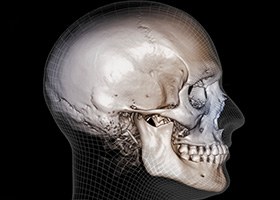
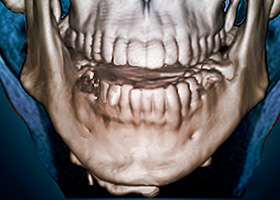
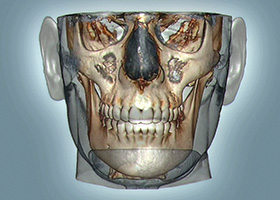
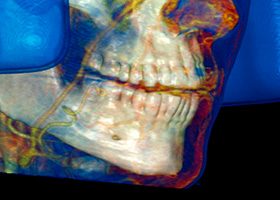
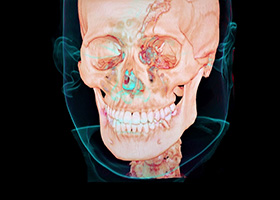
    Precise evaluation using advanced 3D CT and nasal endoscopy

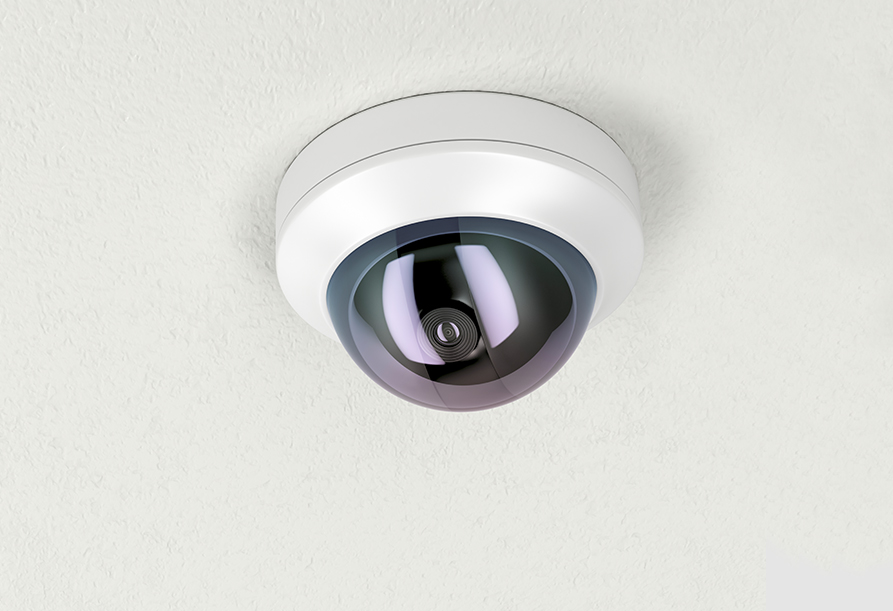
  • Transparent Operating Room CCTV Monitoring

    We provide full transparency through CCTV in all operating rooms.

Revision Rhinoplasty Check List

01

When Revision Surgery Is Needed
  • CASE 1

    Dissatisfaction with
    height or shape

  • CASE 2

    Implant displacement
    or implant visibility

  • CASE 3

    Inadequate correction of a bulbous nose or dorsal hump

  • CASE 4

    Drooping nasal tip
    or nasal deviation

  • CASE 5

    Various complications
    (e.g., inflammation, contracture)

02

When Can Revision Rhinoplasty Be Performed?

In cases of inflammation, revision surgery is recommended only after the cause has been addressed and adequate healing has occurred.
Since the timing can vary depending on each individual’s condition, we determine the appropriate timing through careful consultation with a specialist.

Please do not rush
into revision surgery.

At Banana, we recommend waiting at least 6 months before undergoing revision surgery to ensure a safe and optimal outcome.

Within 3 Months

In cases of minor procedures, revision may be possible depending on the patient’s condition.

After 6 Months

Revision surgery is performed once the tissues have sufficiently softened following the initial procedure.

03

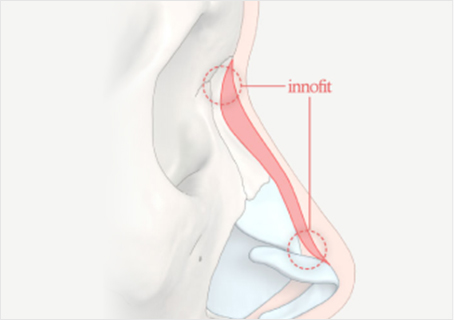
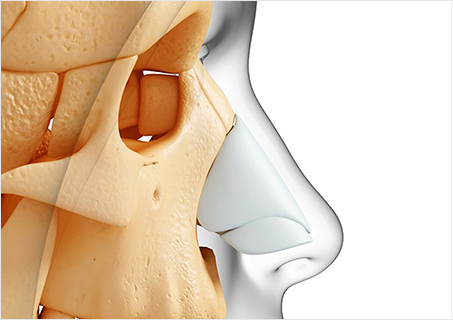
Choosing the Right Implant for the Nasal Bridge
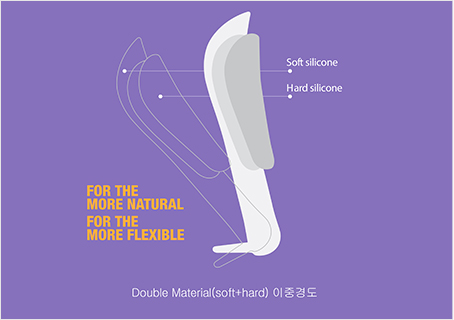
  • Standard Silicone Implant

    The most commonly used implant for augmenting the nasal bridge. It does not absorb into the skin, allowing the nasal shape to be maintained consistently without deformation.

  • Customized 3D Silicone Implant

    A fully personalized implant designed based on individual nasal structure and skin thickness. It significantly reduces side effects such as implant visibility, deviation, or movement, enabling a safer and more precise outcome.

  • No-Implant Technique

    Performed using autologous tissue such as dermis or cartilage. Suitable for patients who prefer to avoid synthetic implants or are concerned about potential foreign body reactions.

04

Choosing the Tissue Used in Rhinoplasty
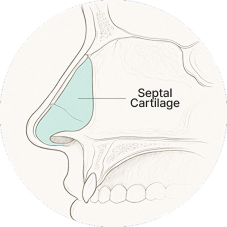
  • Septal Cartilage

    Commonly used as a structural support when increasing nasal tip projection or lengthening the nose. As it is harvested from within the nose, no additional external incision is required, resulting in minimal scarring and discomfort.

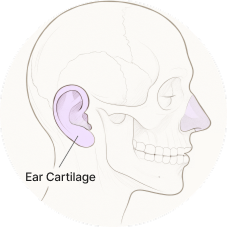
  • Ear Cartilage (Auricular Cartilage)

    Used to further enhance the nasal tip or to refine the transition between the nasal bridge and tip. It is flexible and well-suited for creating a natural contour.

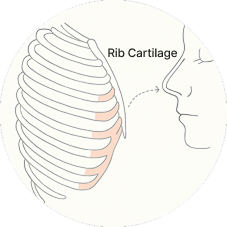
  • Rib Cartilage (Autologous / Donor)

    Used when septal and ear cartilage alone are insufficient. Autologous rib cartilage can be harvested during surgery, or processed donor rib cartilage may be used as an alternative.

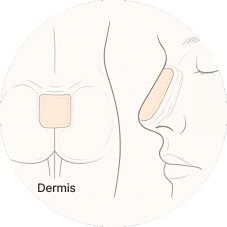
  • Dermis (Autologous / Donor)

    Autologous dermis is typically harvested from areas such as the lower buttock crease, or processed donor dermis may be used. It is commonly applied to the nasal bridge or tip for added volume and soft contouring.

05

Comprehensive Evaluation Using 3D CT and Nasal Endoscopy

Safer Surgery with Preoperative 3D CT and
Nasal Endoscopy!

We conduct a thorough assessment of not only the external shape of the nose but also its internal functional aspects to ensure a safe and precise procedure.

  • Assessment of Autologous Cartilage

    Evaluation of septal cartilage size and the condition of internal nasal structures

  • Functional Evaluation

    Preoperative diagnosis of conditions such as deviated septum, turbinate hypertrophy, and nasal valve stenosis

BANANA PHILOSOPHY
We do not perform surgeries we are not confident in.
BANANA Plastic Surgery

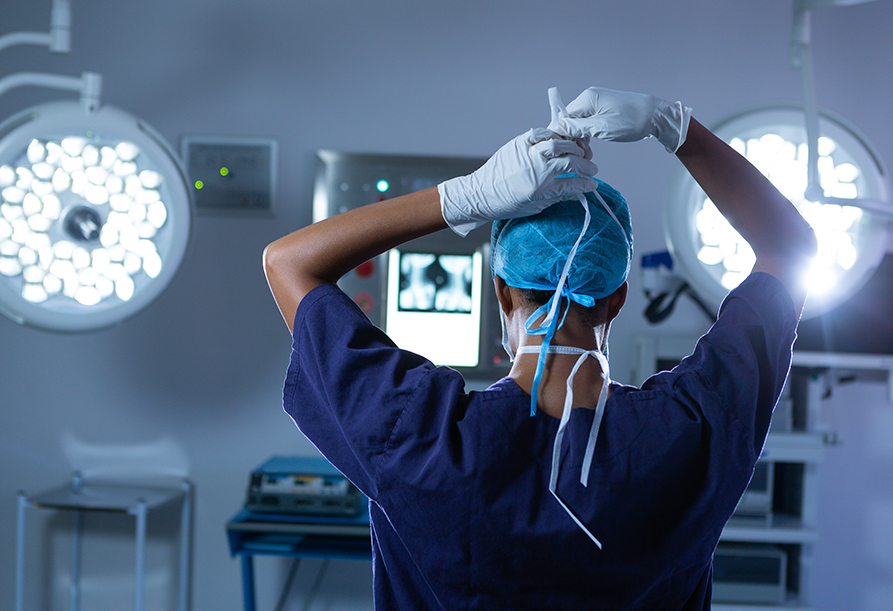
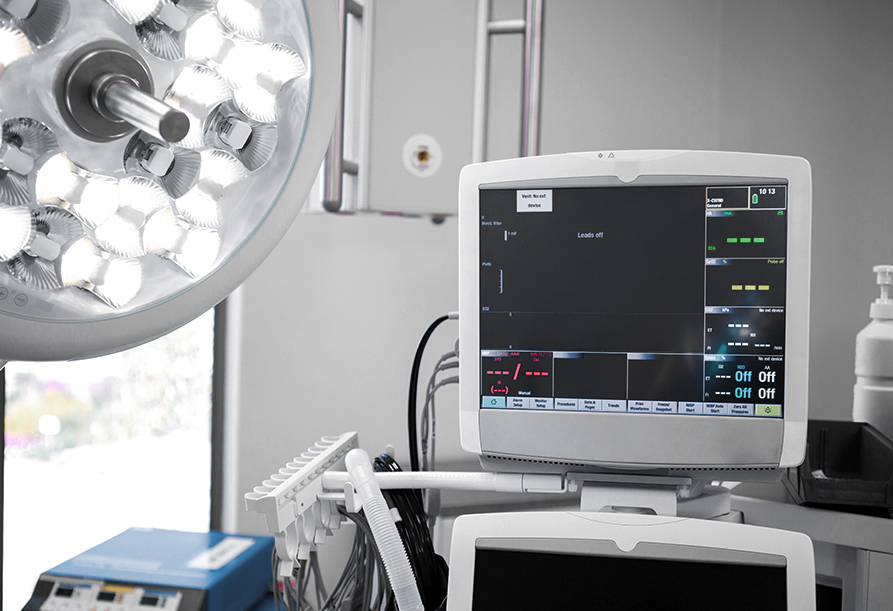
BANANA will deliver the safest and most ideal surgical results through our university hospital-grade equipment and the proven expertise of our medical team.
Banana Safety System
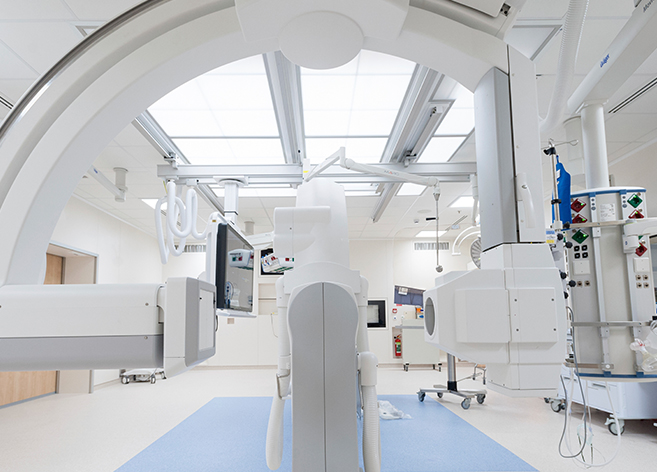
  • Advanced University hospital-Level surgical equipment
  • Comprehensive Emergency Response System
  • Operating Room CCTV Recording System
  • Dedicated One-on-One Care by a Board-Certified Plastic Surgeon
  • Focused on Minimizing the Risk of Complications
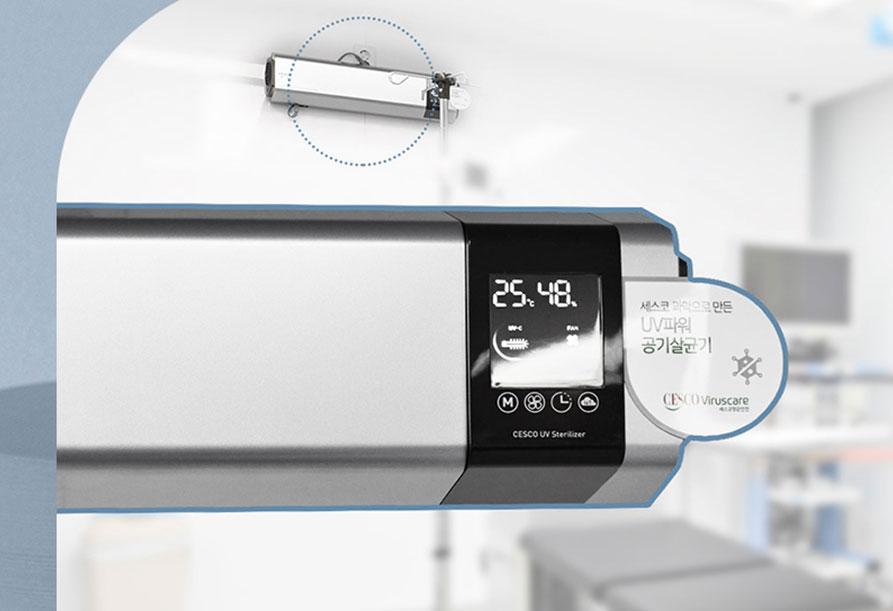
  • 24-Hour Sterilization & Disinfection System

We are equipped with university hospital-grade surgical equipment.

BANANA Aftercare

Swelling Reduction Injection

High-Frequency Care

LED Regeneration Laser

Sebum Control Care

Self-Care Package

Warranty & After-Service Guarantee